A supermarket project is one of the basic commercial projects that meet the daily needs of customers by offering a variety of goods and products in a comfortable and modern shopping environment. The project aims to provide a comprehensive shopping experience that includes everything the customer needs, starting from fresh food products such as fruits, vegetables, meat, and dairy products, all the way to consumer goods such as detergents, household supplies, and personal care products. What distinguishes a supermarket project is its focus on providing high-quality products at competitive prices, in addition to providing periodic offers and discounts that ensure customer satisfaction and increase their loyalty. The project relies on a thoughtful organization of sections for easy access to products, while providing convenient payment methods and effective customer service.
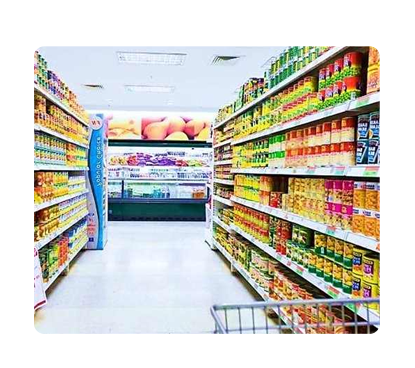
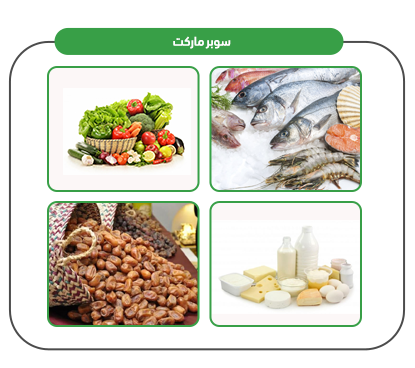
The supermarket project is an integrated shopping destination that meets all customers’ daily needs by offering a wide and diverse range of food and consumer products in one place. The project includes a group of specialized sections that provide meat and poultry products and their types, in addition to fresh and frozen fish. It also features a rich assortment of dairy products and their derivatives, such as cheese, yogurt and butter, with a special section for fresh vegetables, fruits and dates, to ensure providing healthy and diverse options for customers. The supermarket project also includes sections for paper products, detergents, and personal supplies, in addition to dried foods such as legumes, nuts and various drinks, in addition to frozen vegetables that suit the needs of fast life. The supermarket project has a cooperative and highly qualified team that seeks to provide distinguished service and ensure a comfortable and easy shopping experience for customers. Thanks to the tight internal organization, high cleanliness, and competitive prices, the project represents a profitable investment opportunity and a source of attraction for a wide segment of customers.

Executive Summary
Project Service/Product Study
Market Size Study
Study of Risks
Technical Study
Financial Study
Regulatory and Administrative Study
Service Sector in the GCC Countries
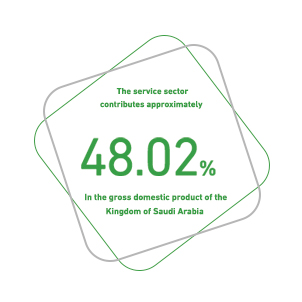
According to macroeconomic sector theory, the economy is typically categorized into three primary sectors: The first involves the extraction of raw materials, encompassing industries like mining, timber, oil exploration, as well as agro-industries and fisheries. The second sector involves the production and sale of goods, including industries such as automotive manufacturing, furniture, and clothing trade. Conversely, the third sector, known as the “service” sector, focuses on providing intangible services, such as entertainment, healthcare, transportation, hospitality, and restaurants. As countries progress, their economies tend to shift towards greater reliance on the service sector, in contrast to less developed countries where the primary sector predominates. For instance, in the United States, the service sector accounts for 85% of its economy.
The Kingdom of Saudi Arabia:
Qatar:
Kuwait:
The United Arab Emirates:
Oman:
The Global Service Sector
The service sector is the major contributor to the global GDP; it alone accounts for more than three fifths of this GDP. The sector does not rely on producing tangible goods such as vehicles and furniture, but rather on providing intangible services such as banking, medical care, transportation, hospitality, entertainment, etc. The value of the sector market was estimated in 2020 at USD 10,814.49 billion and rose to USD 11,780.11 billion in 2021. Therefore, the market achieved a CAGR of 8.9%. After recovering from the effects of the corona virus pandemic, global market experts expect the sector market to reach USD15683.84 billion by 2025, bringing the market to a CAGR of 7% in the coming years.
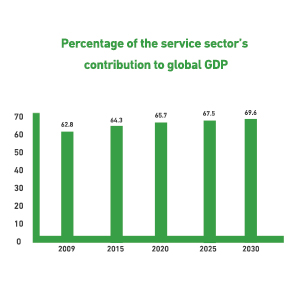
Mashroo3k for Consulting recommends investing in the services industry, as its contribution to the GDP rose from 62.8% in 2010 to 65.7% in 2020. According to World Bank data, the contribution of this industry to the GDP is expected to rise to 69.6% by the year 2030.